Personalized Smart Glasses Recommendations: 2026 Guide
Personalized smart glasses recommendations take the guesswork out of choosing the right AI eyewear for your face, lifestyle, and budget. Instead of scrolling through dozens of near-identical product pages, you get matched to the features that actually matter to you — whether that’s hands-free photo capture, real-time translation subtitles, or assistive reading support for low vision. In particular, this guide breaks down how personalized recommendations work, what factors shape your ideal match, and how to use that process to shop smarter across Amazon, eBay, and AliExpress.
Quick Answer
Personalized smart glasses recommendations match you with AI eyewear based on your face width, prescription needs, primary use case, and budget — instead of a generic top-10 list. The best matches come from comparing display type, battery life, and fit together, not any single spec alone.
What Are Personalized Smart Glasses Recommendations?
Personalized smart glasses recommendations are tailored product suggestions based on your face shape, prescription needs, daily use case, and budget, rather than one-size-fits-all rankings. They combine spec comparisons — display type, field of view (the width of the digital image you can see at once), and battery life — with fit guidance to narrow down which AI glasses will genuinely work for you. As a result, a marathon runner gets pointed toward sport HUD (heads-up display) glasses with live pace data, while a low-vision user gets matched with assistive AI glasses that read text aloud.
Specifically, this matters because smart glasses are not interchangeable gadgets. A pair built for hands-free video capture serves a completely different purpose than one built for augmented reality (AR) navigation overlays. Therefore, treating every buyer the same way almost guarantees a mismatch between expectations and the product that arrives at your door.
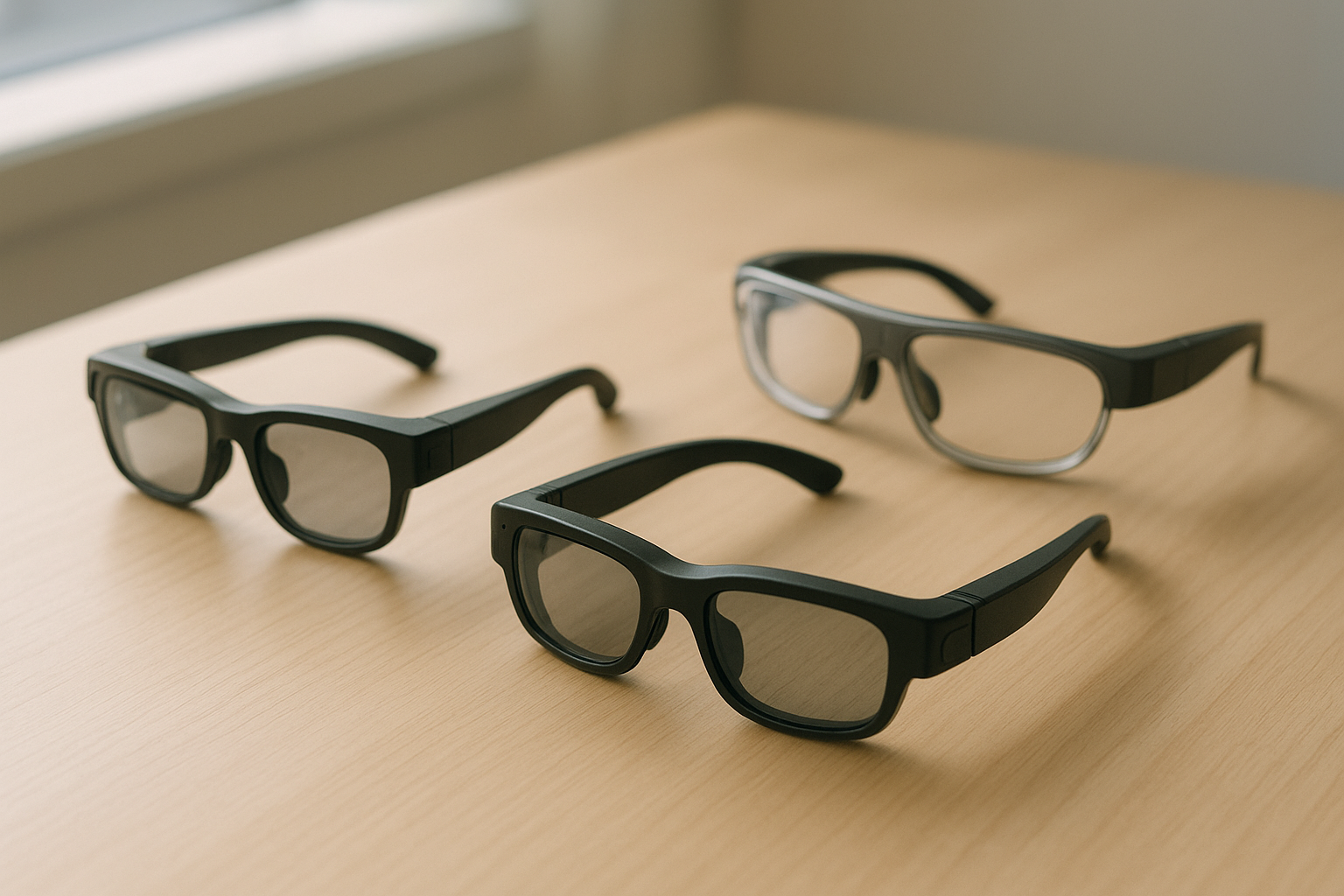
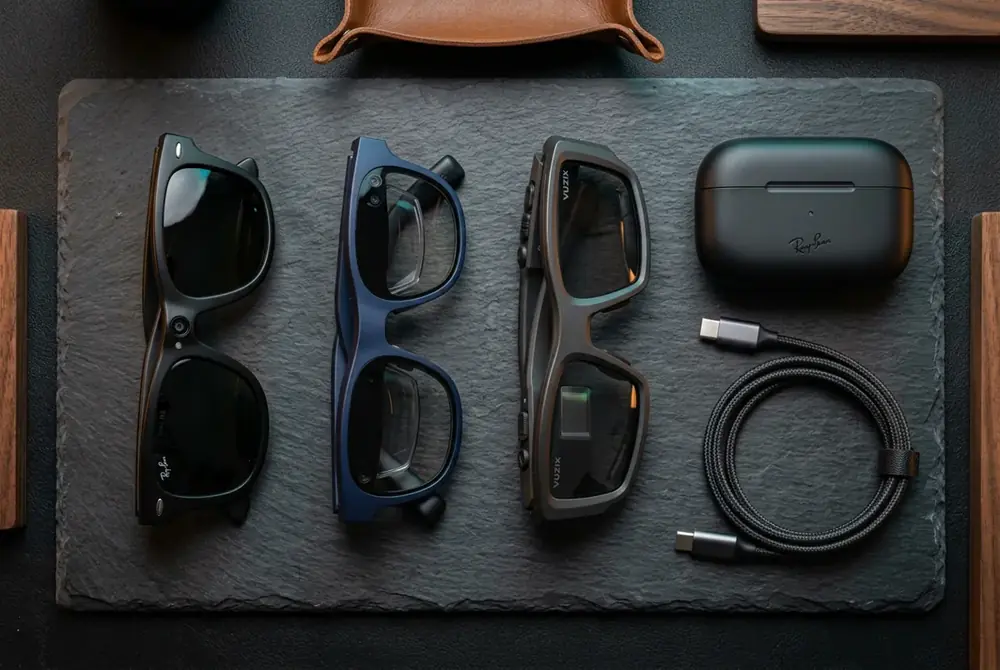
Comparing frame styles side by side is the first step toward personalized smart glasses recommendations.
Why Generic Smart Glasses Advice Falls Short
Generic “best smart glasses” lists rank products by popularity or price alone, which ignores how different buyers actually use them. For example, a designer-style audio glasses wearer who just wants music and calls has almost nothing in common with someone shopping for assistive AI vision glasses that narrate surroundings aloud. Treating both shoppers the same way wastes time and often leads to returns.
In addition, the category is growing fast enough that generic lists go stale quickly. Wearable device research from IDC has tracked consistent double-digit growth in AI-enabled eyewear shipments as more brands enter the market, which means new models routinely outdate last year’s “top picks.” Consequently, spec-first comparisons that update regularly serve shoppers far better than static rankings.
How to Get Personalized Smart Glasses Recommendations
Getting a recommendation that actually fits your needs follows a fairly simple process. Below is the sequence that produces the most reliable results.
- Identify your primary use case. Decide whether you mainly want hands-free photo and video capture, real-time translation subtitles, sport performance data, or assistive reading support, since this narrows the entire category instantly.
- Measure your face width and note prescription needs. Many AI glasses now accept prescription inserts, so knowing your needs upfront prevents buying a frame you can’t actually see clearly through.
- Compare specs side by side. Line up display type, field of view, battery life, microphone arrays, and AI assistant support using a resource like the guide to what actually matters before you buy.
- Check live prices across retailers. Compare pricing and return policies across Amazon, eBay, and AliExpress, since identical models can vary significantly in price depending on the retailer and promotion.
- Confirm fit and comfort before purchase. Check published gram weight and nose pad adjustability so the glasses stay comfortable during all-day wear, not just during a quick first impression.
Key Factors That Shape Your Ideal Smart Glasses Match
Above all, five factors determine whether a pair of AI glasses will earn a permanent spot on your face or end up in a drawer. These are face fit, display type, battery life, audio and mic quality, and AI assistant compatibility. Similarly, budget plays a role, since prices stretch from roughly $150 for basic audio frames to $400 or more for advanced AR waveguide models.
Battery life deserves particular attention because it directly affects whether glasses survive a full workday. In fact, battery life and frame weight are frequently cited as the two specs most likely to be glossed over in rushed reviews, as explored in the battery life and all-day comfort breakdown. Consequently, checking these two numbers before anything else tends to prevent buyer’s remorse.
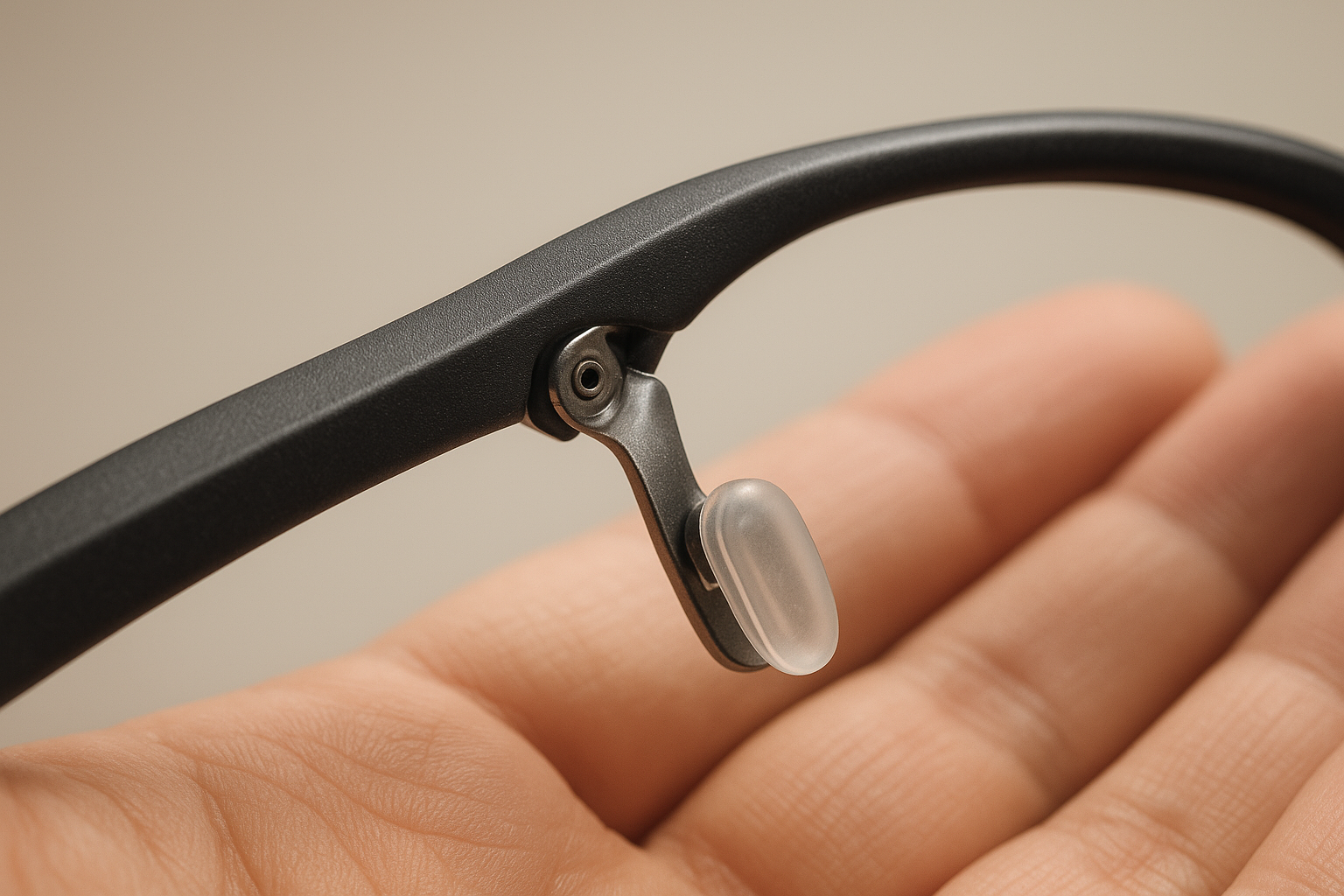
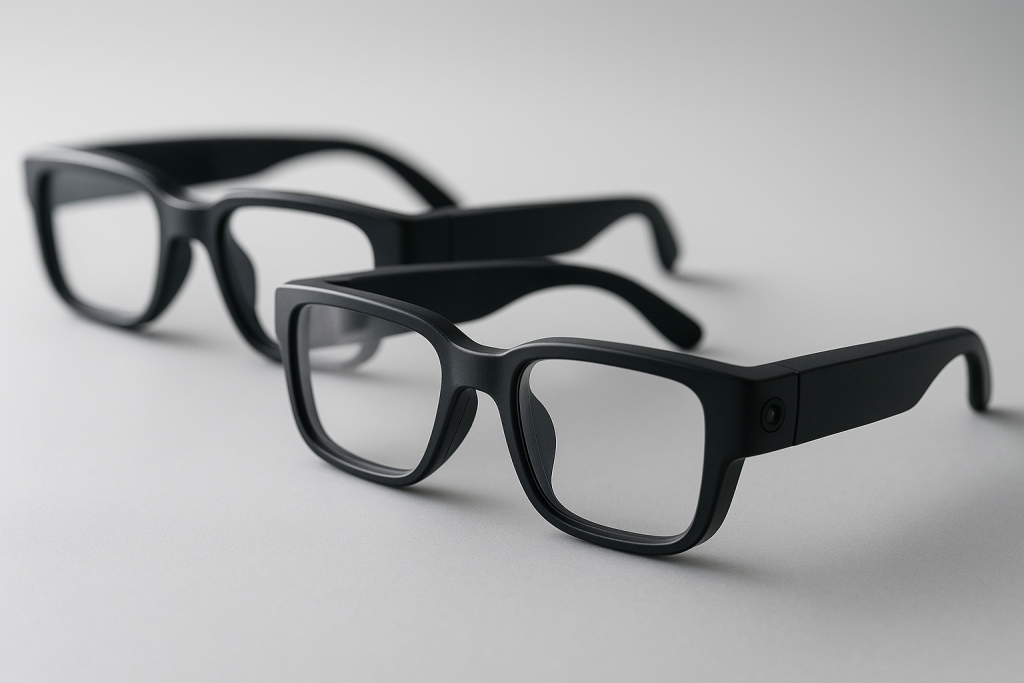
Fit details like nose pads and hinge adjustability matter just as much as display specs.
Comparing Smart Glasses Types for Your Needs
Not every AI eyewear category solves the same problem, so understanding the main types helps you narrow a shortlist quickly. In contrast to earlier generations of wearables, today’s options span designer-style audio frames, true AR waveguide displays, sport HUD glasses, translation glasses, and assistive vision hardware.
| Type | Best For | Key Feature |
|---|---|---|
| Designer AI audio glasses | Everyday hands-free calls, music, capture | Lightweight, Ray-Ban/Oakley-style frames |
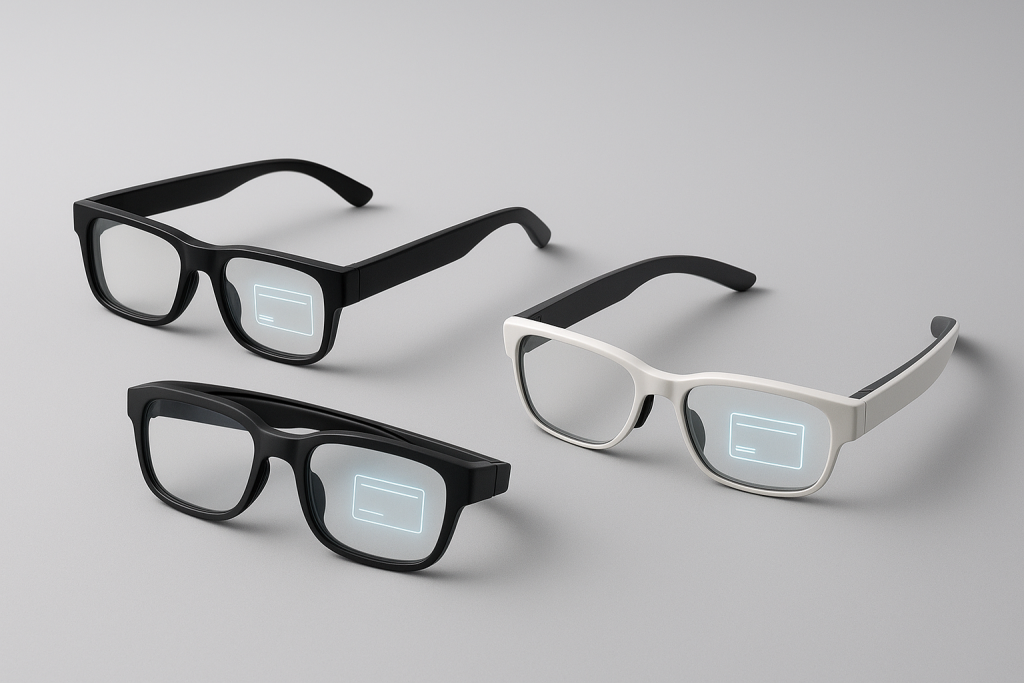
| AR waveguide glasses | On-lens navigation, notifications, overlays | Transparent display built into the lens |
| Sport HUD glasses | Runners, cyclists, athletes | Live pace, heart rate, and performance data |
| Translation glasses | Travelers, multilingual conversations | Real-time subtitle overlays |
| Assistive vision glasses | Low-vision users | Text-to-speech and object recognition |
For a deeper look at how designer-style audio frames stack up against true display-based models, the Ray-Ban-style AI glasses versus AR display glasses comparison walks through the trade-offs in detail. Meanwhile, anyone researching assistive hardware can review live listings on the assistive AI vision glasses product page.
Fit, Prescription, and Comfort: Getting Custom Eyewear Suggestions Right
Fit is frequently the deciding factor between glasses people wear daily and glasses that sit unused after a week. Therefore, checking face-width compatibility and prescription-insert availability before purchase matters just as much as comparing display resolution. Many frames now ship with swap-in lens options, which means an existing prescription doesn’t have to rule out AI eyewear entirely.
Gram weight is another detail worth checking closely, since even a 10-gram difference becomes noticeable after several hours of wear. For instance, lightweight audio-only frames tend to sit around 40-50 grams, while heavier AR waveguide models can exceed 70 grams. Similarly, according to general eye care guidance from the National Eye Institute, comfort and proper fit are essential for consistent daily use of any vision-related device, which applies directly to assistive AI eyewear as well.
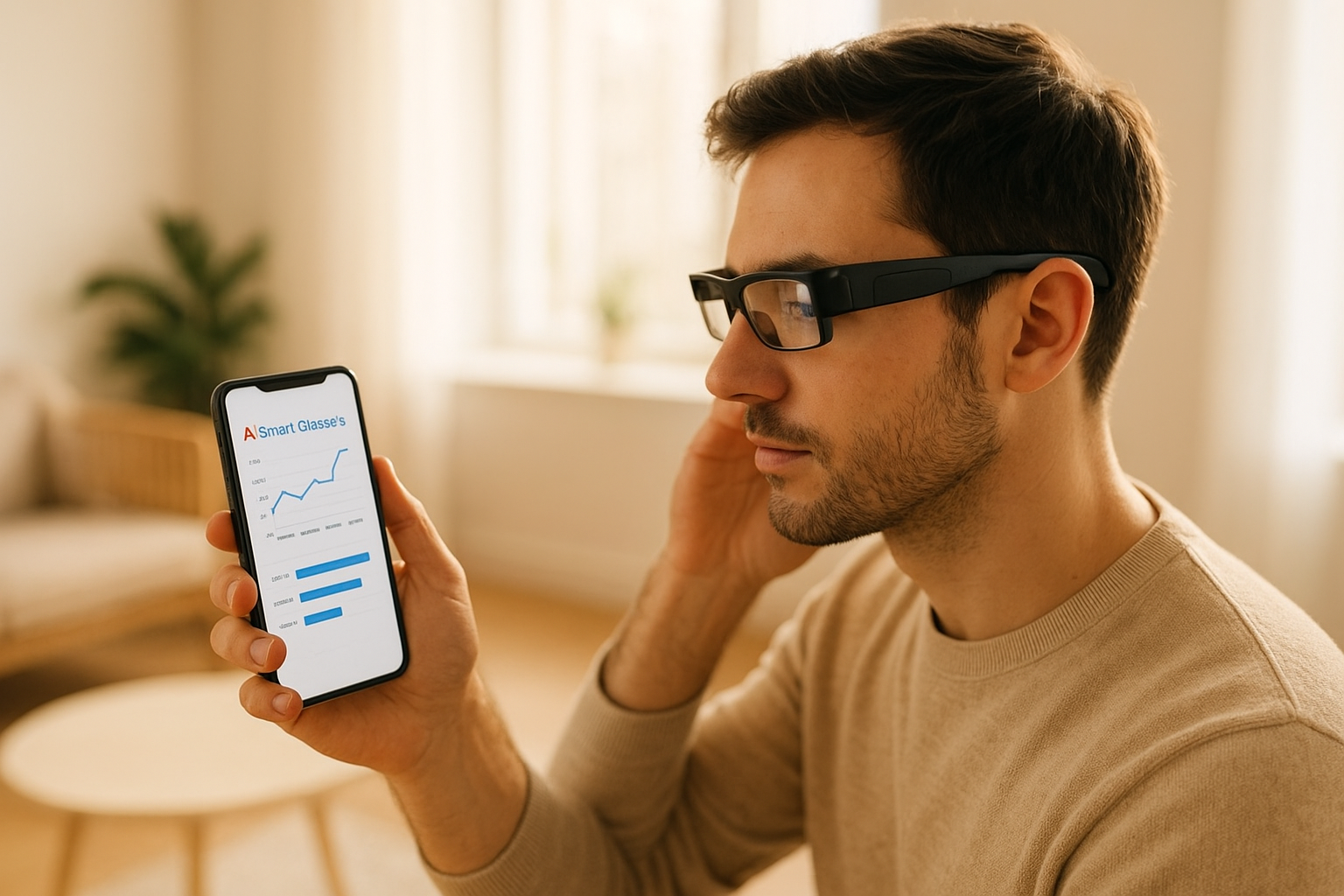
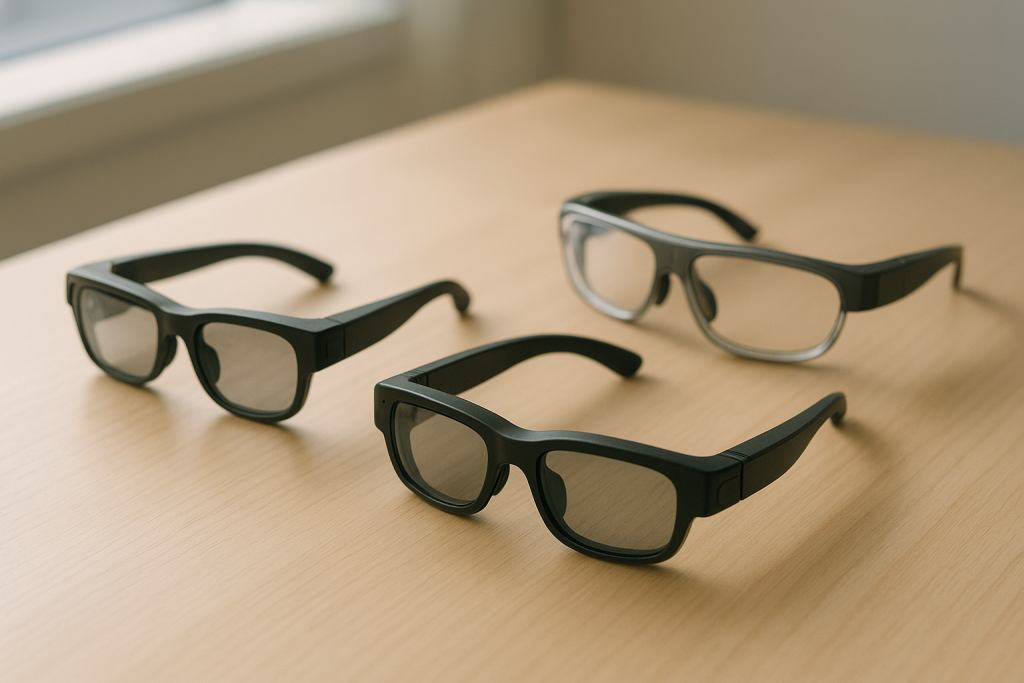
Reviewing personalized smart glasses recommendations before checkout helps avoid returns.
Putting It All Together Before You Buy
Once you know your use case, fit measurements, and preferred specs, the final step is simply comparing live prices before checkout. As noted earlier, pricing on identical models can shift daily across Amazon, eBay, and AliExpress, so a quick price check often saves real money. You can browse current listings and spec breakdowns directly on AI Optical Tech Store to see how different models stack up before committing.
For background on how AI glasses work more broadly, the Wikipedia entry on smart glasses and the entry on augmented reality both offer useful technical grounding for first-time buyers.
Frequently Asked Questions About Personalized Smart Glasses Recommendations
What are personalized smart glasses recommendations?
Personalized smart glasses recommendations are product suggestions tailored to your face shape, prescription needs, budget, and intended use, rather than a generic best-of list. They combine spec comparisons with fit guidance to match you with glasses you’ll actually wear daily.
How do I find the right AI smart glasses for my face shape?
Start by measuring your face width in millimeters and comparing it against each frame’s published fit range. Brands that offer multiple sizes or adjustable nose pads tend to work across more face shapes than one-size-fits-all designs.
Are personalized smart glasses recommendations free?
Yes, browsing spec comparisons, fit guides, and curated picks on an affiliate retail site typically costs nothing. The site earns a small commission only if you click through and buy from a retailer like Amazon, eBay, or AliExpress.
How long does it take to get a personalized recommendation?
Most shoppers can narrow down a shortlist in 10 to 15 minutes once they know their primary use case and face measurements. Comparing final specs side by side usually adds just a few more minutes before checkout.
What’s the difference between AI audio glasses and AR waveguide glasses?
AI audio glasses use open-ear speakers and microphones without a visible display, while AR waveguide glasses project a digital image directly into your line of sight using a thin optical layer. Audio-only models are usually lighter and cheaper, while waveguide models offer more functionality at a higher price.
Can I get smart glasses recommendations if I wear prescription lenses?
Yes, many AI glasses now support prescription inserts or clip-in lenses that sit behind the main frame. Checking insert compatibility before buying prevents the common mistake of ending up with glasses you can’t see clearly through.
What specs matter most when comparing AI smart glasses?
Display type, field of view, battery life, microphone array quality, and AI assistant compatibility matter most. Weight and fit matter just as much, since even the best specs are useless in glasses that feel uncomfortable after an hour.
Do personalized recommendations consider battery life?
Absolutely. Battery life is one of the top two specs that separate all-day-comfortable smart glasses from frustrating ones, alongside overall frame weight.
What’s a common mistake buyers make when choosing smart glasses?
The most common mistake is buying based on display resolution alone while ignoring weight, battery life, and fit. A heavy pair with an impressive display often gets left in a drawer after the first few uses.
How much do AI smart glasses typically cost?
Prices generally range from roughly $150 for basic audio smart glasses to $400 or more for AR waveguide and advanced assistive vision models. Prices shift daily across Amazon, eBay, and AliExpress, so comparing live listings before buying is worthwhile.
Are assistive AI vision glasses covered by personalized recommendations?
Yes, assistive AI vision glasses for low-vision users are a core category, and personalized recommendations factor in text-to-speech quality, object recognition accuracy, and battery life for all-day navigation support.
Where can I buy smart glasses after getting a recommendation?
Once you’ve narrowed your choice, you can compare live prices across Amazon, eBay, and AliExpress through affiliate links, which direct you to the retailer’s own checkout. The site itself does not sell or ship products directly.
How often should I check prices before buying?
Checking prices every few days during a shopping window is reasonable, since AI smart glasses pricing can fluctuate with promotions and stock levels. Daily live price tracking tools make this easier than manually refreshing multiple retailer pages.
Final Thoughts
In the end, personalized smart glasses recommendations exist to solve a simple problem: generic rankings can’t account for your face, your budget, or what you actually plan to do with the glasses. By identifying your use case first, checking fit and prescription compatibility second, and comparing specs and live prices last, you give yourself the best chance of picking a pair that stays on your face instead of in a drawer. Whether you’re after hands-free capture, AR navigation, sport HUD data, or assistive vision support, following this process turns an overwhelming category into a manageable decision.
Ready to compare frames?
Every listing links straight to Amazon, eBay and AliExpress for live pricing.
Browse the shop