Best Smart Glasses for Wide Face: 2026 Buying Guide
The best smart glasses for wide face shapes need wider temple arms, longer frame fronts, and balanced weight distribution so the lenses do not pinch at the temples or slide down the nose. Finding the right fit matters just as much as display quality or battery life, because even the sharpest AI assistant or augmented reality (AR, a technology that overlays digital images onto the real world) overlay feels useless if the frame hurts after twenty minutes. In this guide, we compare frame widths, temple lengths, and gram weights across today’s top AI eyewear so wide-face buyers can shop with confidence instead of guesswork.
Quick answer: For most wide-face buyers, look for smart glasses with temple-to-temple widths of 145mm or more, adjustable nose pads, and frame styles modeled on classic wide aviator or square shapes rather than narrow designer cuts. Always check the brand’s stated face-width or head-width range before buying, since AI eyewear sizing is not yet standardized across brands.
What Is the Best Fit for Wide-Face Smart Glasses Buyers?
Best smart glasses for wide face searchers is simply a shorthand for AI eyewear built with wider bridges, longer temples, and sturdier hinges that stay comfortable on broader bone structures. Unlike regular sunglasses, these frames also carry batteries, cameras, and mic arrays (small clusters of microphones used for voice commands), so weight balance affects comfort even more than it does with ordinary eyewear.
According to ergonomic eyewear sizing references, adult head widths measured temple-to-temple typically range from about 135mm to over 150mm, which is a wider spread than most mainstream frame catalogs account for. As a result, shoppers with broader faces often need to look past flagship “designer” AI glasses and toward models specifically marketed with extended-width options. For a deeper breakdown of what separates a good AI frame from a mediocre one, our guide on what actually matters before you buy AI smart glasses in 2026 covers the full spec checklist.
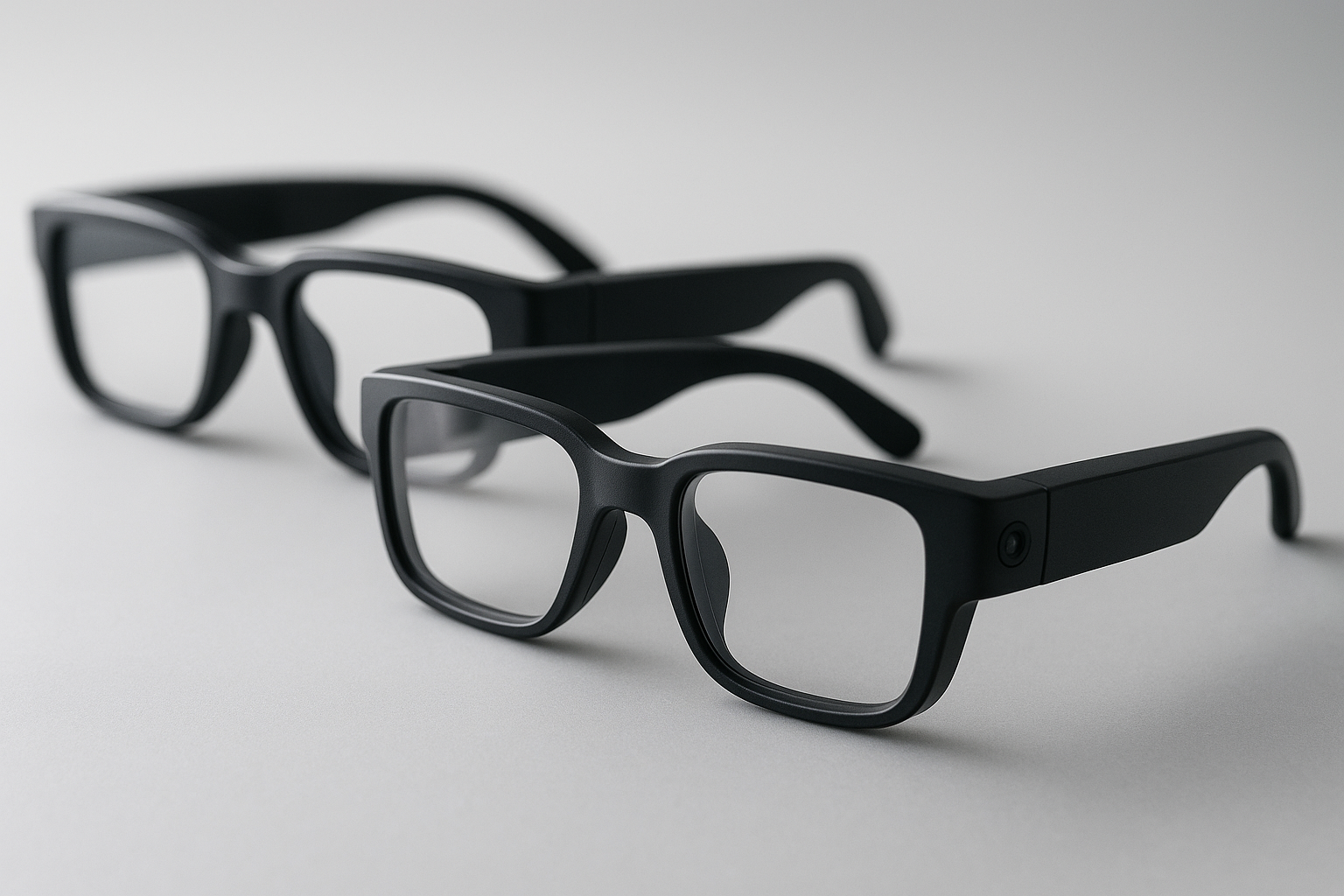
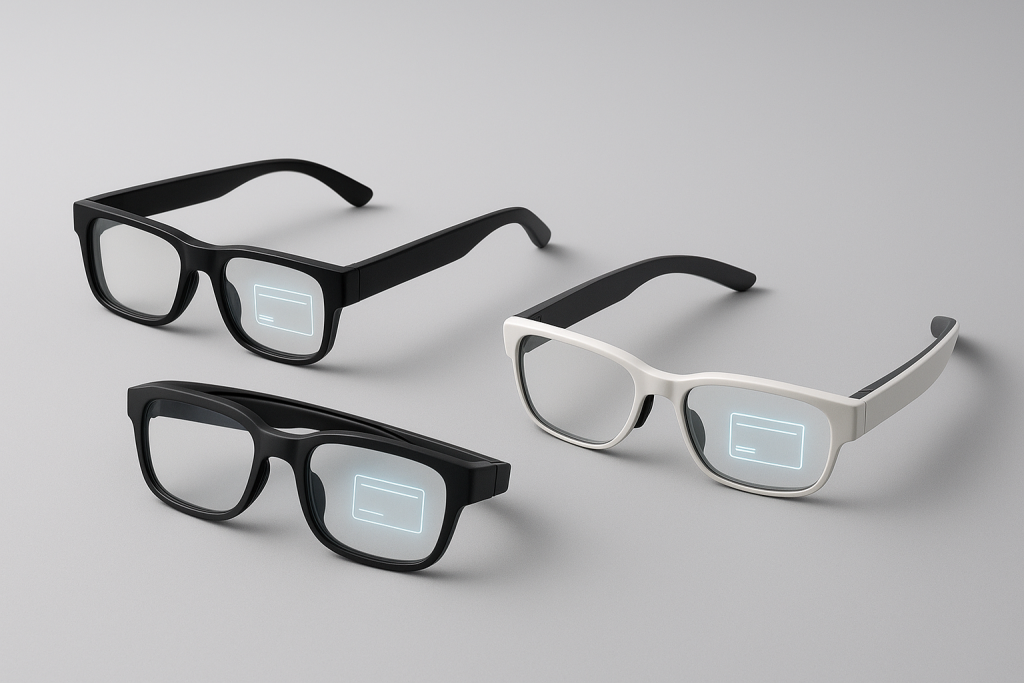
Choosing the best smart glasses for wide face comfort starts with comparing temple width and hinge design side by side.
Best Smart Glasses for Wide Face: Our Top Picks
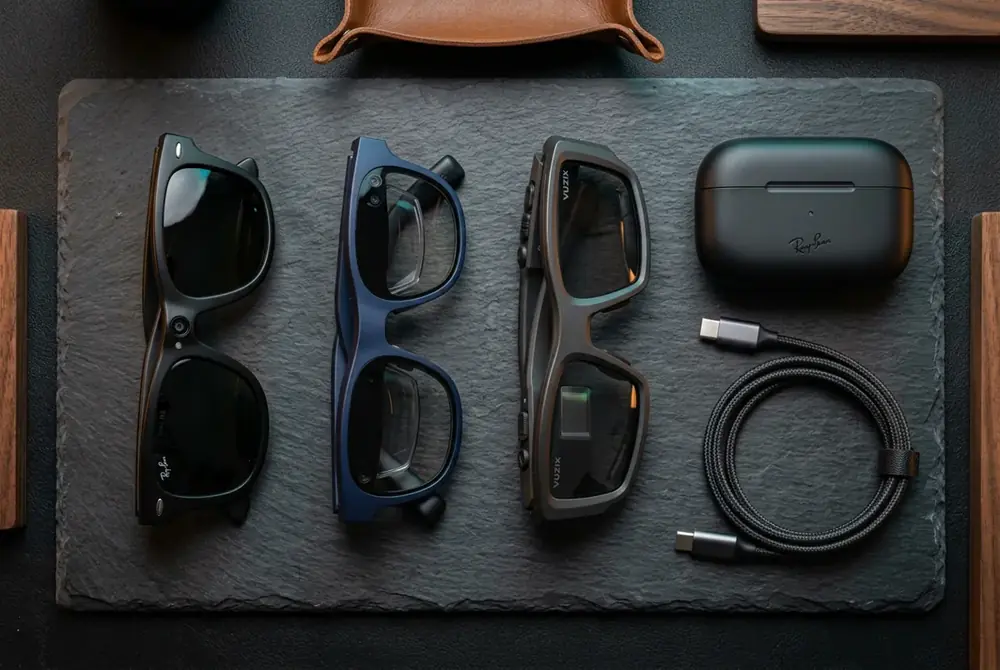
When narrowing down the best smart glasses for wide face comfort, three categories consistently perform well: Ray-Ban/Oakley-class AI camera frames, sport HUD glasses, and a handful of AR waveguide models that offer extended-width hinges. Each category trades off differently between weight, display features, and all-day wearability.
- Designer-style AI camera frames: Wide aviator and square silhouettes modeled on Ray-Ban/Oakley designs generally run wider at the temples than slim AR frames. Explore current listings in our Meta-style AI eyewear collection.
- Sport HUD glasses: Built for active wear, these often include wraparound or adjustable strap options that accommodate broader heads without pinching.
- Extended-width AR waveguide models: Fewer in number, but some newer AR display frames now publish wide-fit variants rather than one-size-only designs.
Because specs change frequently and pricing varies by retailer, it helps to track live listings instead of relying on a single snapshot. The comparison tools at AI Optical Tech Store pull current Amazon, eBay, and AliExpress prices side by side, which makes it easier to spot wide-fit variants before checkout.
How to Measure If You Have a Wide Face for Smart Glasses
Before shopping, it helps to know your actual numbers rather than guessing from style alone. The following steps take about ten minutes and prevent most fit-related returns.
- Measure your head width temple-to-temple using a flexible tape measure, placing it across the widest point just above your ears, and note the number in millimeters for comparison against listed frame specs.
- Check your current eyeglasses or sunglasses for pressure marks behind the ears or redness on the nose bridge after a few hours of wear, since these marks usually signal a frame that is already too narrow for your face.
- Compare your measurement to the brand’s published fit chart, because many AI eyewear makers now list face-width ranges, for example 135 to 150mm, directly on the product page or spec sheet.
- When you fall between sizes, choose the wider option and rely on adjustable nose pads or swap-in temple tips to fine-tune the fit, rather than squeezing into a frame rated for a narrower face.
For reference on how interpupillary distance (the gap between your pupils) interacts with frame width, the Wikipedia entry on interpupillary distance offers useful background, since AR display alignment depends partly on this measurement too.

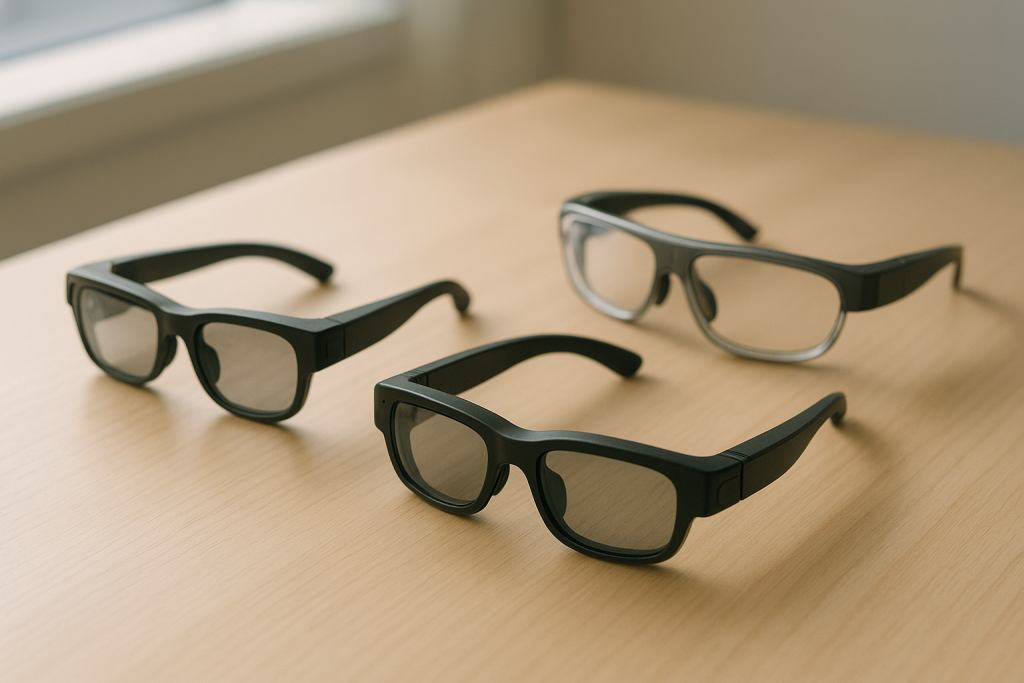
Measuring temple-to-temple width is the fastest way to shortlist wide-face smart glasses that actually fit.
Key Specs That Matter for Wide-Face AI Eyewear
Frame width is only part of the equation. Field of view (FOV, how much visible display area an AR overlay covers), battery life, and mic array placement all influence long-term comfort for broader faces.
In particular, heavier battery housings near the hinges can pull a frame forward on a wider nose bridge faster than on a narrow one, so weight distribution deserves as much attention as total grams. Our dedicated breakdown on battery life and all-day comfort explains why these two specs get skipped in most reviews, even though they directly affect how a wide-fit frame feels after several hours.
Similarly, AI assistant support (voice-activated features like translation or hands-free capture) adds slight weight from extra microphones, so it is worth checking whether a model balances that weight across both temples rather than concentrating it on one side.
Top AI Smart Glasses Picks for Broader Face Shapes
Among current categories, Ray-Ban/Oakley-class AI frames tend to offer the widest out-of-the-box fit, since their base designs were already built around classic wide aviator and wayfarer shapes before AI hardware was added. Sport HUD glasses follow closely, often featuring adjustable straps or wraparound arms designed for movement rather than a slim profile.
AR waveguide display glasses, on the other hand, generally prioritize optical engineering over frame width, which means fewer wide-fit variants exist in that category today. However, that gap is narrowing as more brands publish extended sizing charts.
Data point: Ergonomic fit guidance referenced by occupational eyewear standards (via NIOSH) notes that standard frame categories are typically built around a 130-140mm head-width midpoint, leaving a meaningful share of wider-headed users outside the default sizing range.
Designer-Style vs AR Display Glasses: Which Fits Wider Faces Better?
Designer-style camera frames usually win on comfort for wide faces because their proportions come from traditional sunglass molds rather than optics-first engineering. In contrast, AR display glasses often need extra internal space for waveguide projectors, which can push designers toward narrower, more compact shells.
Consequently, buyers who want both a display overlay and a wide, comfortable fit may need to compromise on display brightness or FOV to get a frame that does not pinch. Our side-by-side breakdown of Meta Ray-Ban style AI glasses versus AR display glasses walks through this trade-off in more detail, including which category currently offers more wide-fit SKUs.
Accessories and Prescription Tips for a Wide-Face Fit
Even a well-sized frame benefits from the right accessories. Swap-in prescription inserts, for example, let wide-face buyers keep their vision correction without switching to a bulkier frame shape.
Additionally, spare charging cases and extended nose pad kits help maintain a snug, pressure-free fit over months of daily wear. Because availability varies by model, it is worth confirming insert and accessory compatibility directly on the retailer listing before adding anything to cart.
Common Mistakes When Buying Smart Glasses for a Wide Face
The most frequent mistake is choosing a frame based on style photos alone without checking the listed width range, which often leads to temple pressure and headaches within the first week. Another common error is underestimating how added battery and camera weight shifts a frame’s balance compared to ordinary sunglasses of the same shape.
Finally, some buyers skip trying on a similarly sized traditional frame first, missing an easy way to confirm fit before an AI model even arrives. For general background on how AI eyewear technology works, the Wikipedia overview of smart glasses is a helpful starting point.
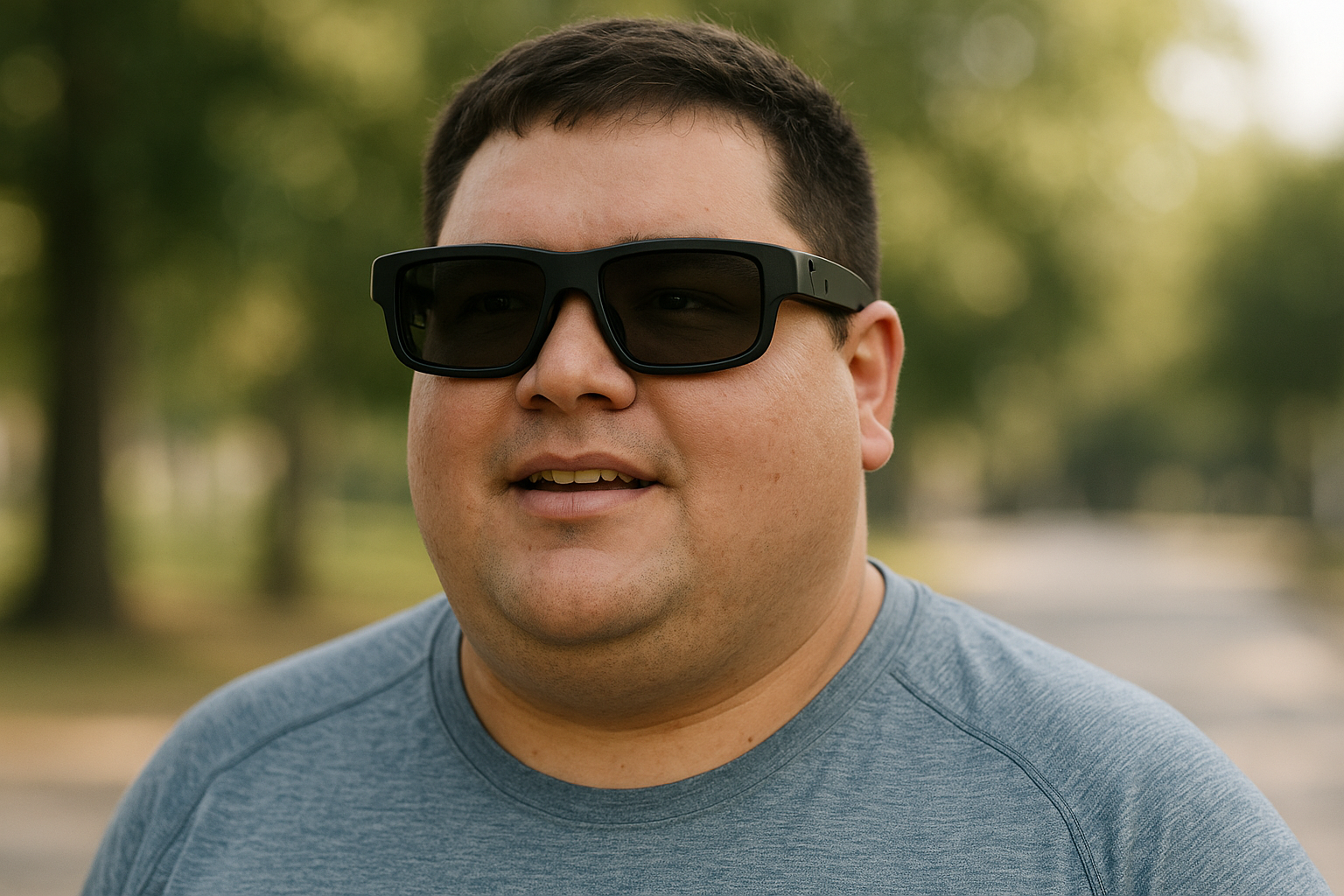
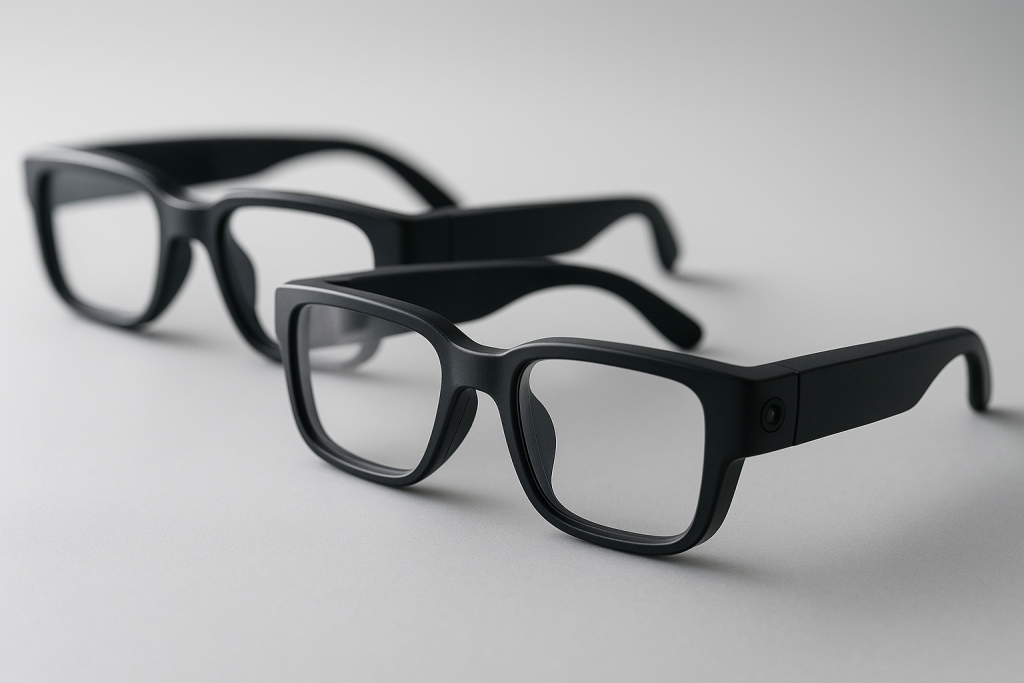
A properly sized sport HUD frame keeps wide-face wearers comfortable during long outdoor sessions.
Frequently Asked Questions About Best Smart Glasses for Wide Face
What is the best smart glasses for wide face option in 2026?
The best smart glasses for wide face shapes in 2026 are models with temple widths of 145mm or more, adjustable nose pads, and Ray-Ban or Oakley-class frames built on broader base shapes rather than narrow designer cuts. Sport HUD and AR waveguide models with wide-fit options are also strong candidates.
How do I know if I have a wide face for smart glasses?
Measure temple-to-temple across the widest point of your head, just above your ears; a measurement over 140mm generally counts as wide for AI eyewear sizing. You can also check if current glasses leave red marks or press against your temples after a few hours.
Why do standard AI glasses feel tight on a wide face?
Most AI eyewear is designed around average frame widths of 130-140mm, so wider heads push the temples outward and create pressure points. This tightness often gets worse over long sessions because battery and camera housings add extra weight near the hinges.
What temple length works best for wider face shapes?
Look for temple arms between 145mm and 150mm with a gentle outward flare at the hinge, which reduces pinching without sliding off. Spring hinges also help the frame flex slightly to match a broader head shape.
Are Meta Ray-Ban style AI glasses good for wide faces?
Meta Ray-Ban style AI glasses often run true to classic wide aviator and square proportions, which suits many wide-face buyers better than slim AR display frames. Checking the listed frame width before ordering is still essential since sizing varies by model.
How much should smart glasses weigh for all-day wide-face comfort?
Most comfortable AI smart glasses weigh between 40 and 55 grams, since anything heavier tends to slide down a wider nose bridge faster. Even weight distribution between the front frame and battery-loaded temples matters as much as total grams.
Can I get prescription inserts for wide-fit AI smart glasses?
Many wide-fit AI smart glasses support snap-in prescription inserts or clip-on lens adapters, though availability depends on the specific model and retailer listing. Always confirm insert compatibility on the product page before purchasing.
What is the difference between AR waveguide glasses and camera-only smart glasses for wide faces?
AR waveguide display glasses project visual overlays into your field of view and typically need bulkier, often narrower-fitting frames to house the optics. Camera-only smart glasses, like Ray-Ban/Oakley-class AI frames, are usually lighter and come in more wide-fit options.
How much do smart glasses for a wide face typically cost?
Wide-fit AI smart glasses generally range from $130 to $450 depending on display type, camera resolution, and mic array quality. Basic audio-only or camera-first models sit at the lower end, while full AR waveguide displays push toward the higher end.
How long does it take to find the right wide-face smart glasses fit?
With a head measurement in hand, most buyers can shortlist the right wide-fit model within 15 to 20 minutes of comparing spec sheets. Trying on a similarly sized traditional frame first can speed up the decision even further.
What mistakes do buyers make when choosing smart glasses for a wide face?
The most common mistake is ignoring the listed frame-width range and buying based on style alone, which leads to returns and pressure headaches. Another frequent error is overlooking weight distribution, since a heavy battery housing can make an otherwise wide-fitting frame slide forward.
Do sport HUD glasses come in wide-fit sizes?
Yes, several sport HUD glasses brands now offer wide-fit or adjustable strap versions built for active use and broader head shapes. These models usually prioritize a secure, wraparound fit over the slim designer look of everyday AI frames.
Final Thoughts
Ultimately, finding the best smart glasses for wide face comfort comes down to matching real measurements against published fit charts instead of judging by style photos alone. Temple width, hinge flexibility, and balanced battery weight matter just as much as display quality or AI assistant features. By measuring first, checking spec sheets, and comparing live listings through resources like AI Optical Tech Store, wide-face shoppers can avoid pressure points and returns while still getting access to the latest camera, AR, and translation features on the market today.
Ready to compare frames?
Every listing links straight to Amazon, eBay and AliExpress for live pricing.
Browse the shop