Best AR Smart Glasses in 2026: Top Picks & Buying Guide
The best AR smart glasses in 2026 combine a transparent waveguide display, dependable battery life, and genuine AI assistant support inside a frame you would actually wear in public. Unlike bulky first-generation headsets, today’s AR eyewear overlays maps, captions, and notifications directly onto your view without blocking what is in front of you. In addition, the right pair depends heavily on your use case, since a translation-focused frame and a sport HUD model solve very different problems.
Quick answer: The best AR smart glasses pair a wide field-of-view waveguide display with at least 3 hours of active battery life, a frame under 70 grams, and a strong AI assistant with multi-mic support. For most everyday buyers, that means checking display quality, comfort, and live pricing before choosing between navigation, translation, or sport-focused models.
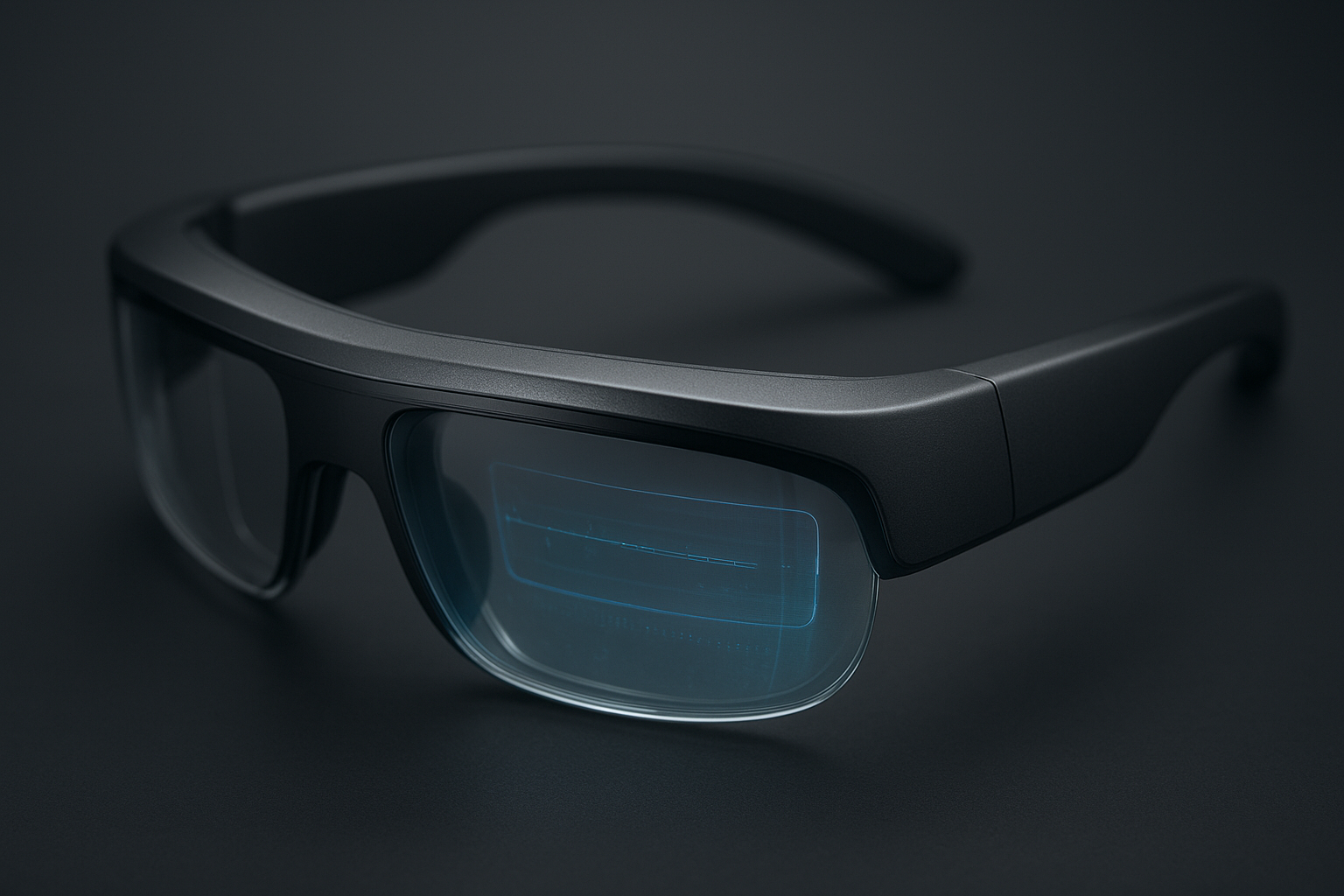
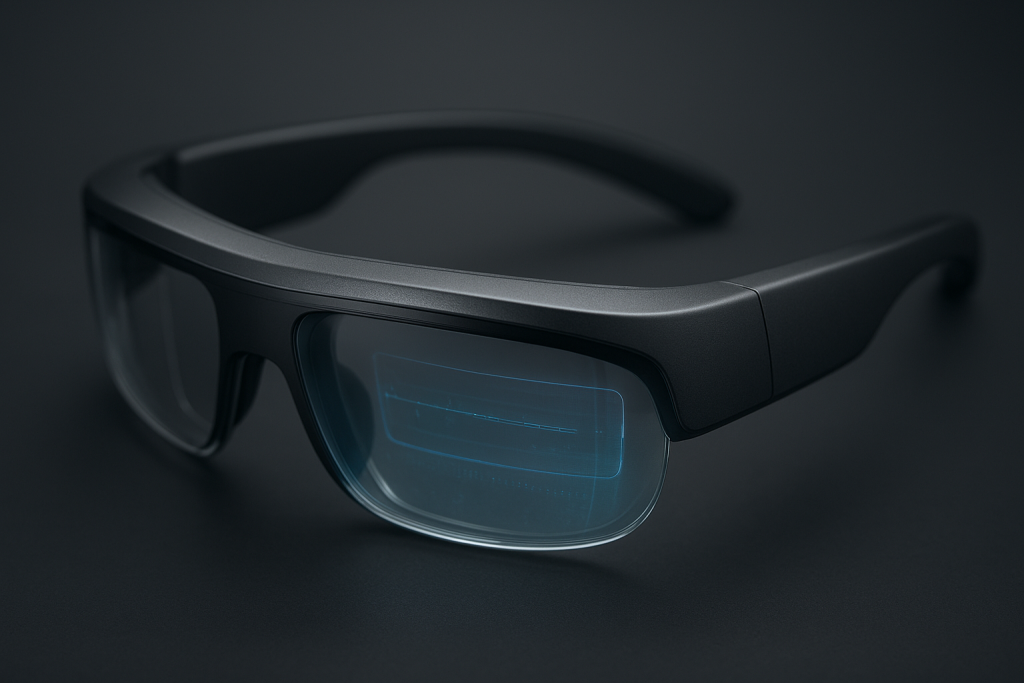
Close-up of a waveguide lens used in many of today’s best AR smart glasses.
What Are the Best AR Smart Glasses Right Now?
The best AR smart glasses right now are frames that successfully balance a visible, readable overlay with all-day comfort. Specifically, that means a display bright enough to use outdoors, a field of view wide enough to show useful text without eye strain, and a battery that survives a full commute or hike.
In contrast to early AR prototypes, current models from 2026 lean toward slimmer, sunglasses-style frames rather than visor-style headsets. As a result, shoppers increasingly compare AR glasses against camera-first designs, such as the Ray-Ban/Oakley-style AI eyewear covered in our Meta Ray-Ban style vs AR display glasses comparison, since both categories now sit at similar price points but solve different problems.
How Augmented Reality Eyewear Works
Augmented reality eyewear is generally defined as any wearable display that overlays digital graphics onto a person’s real-world view in real time. According to Wikipedia’s overview of augmented reality, this differs from fully immersive virtual reality because the user still sees their physical surroundings clearly.
Most AR smart glasses use one of three display methods: waveguide optics, birdbath reflectors, or micro-LED projection. Waveguide designs tend to produce the thinnest lenses, while birdbath systems are often cheaper but slightly bulkier. Similarly, the concept builds directly on older head-up display technology used in aviation and automotive dashboards, as described on Wikipedia’s head-up display entry.
Notably, the human eye naturally perceives a field of view of roughly 200 degrees, including peripheral vision, yet most current AR waveguide displays show digital content within only a 25-to-50-degree window. This gap explains why field of view remains one of the most talked-about specs among AR glasses reviewers today.
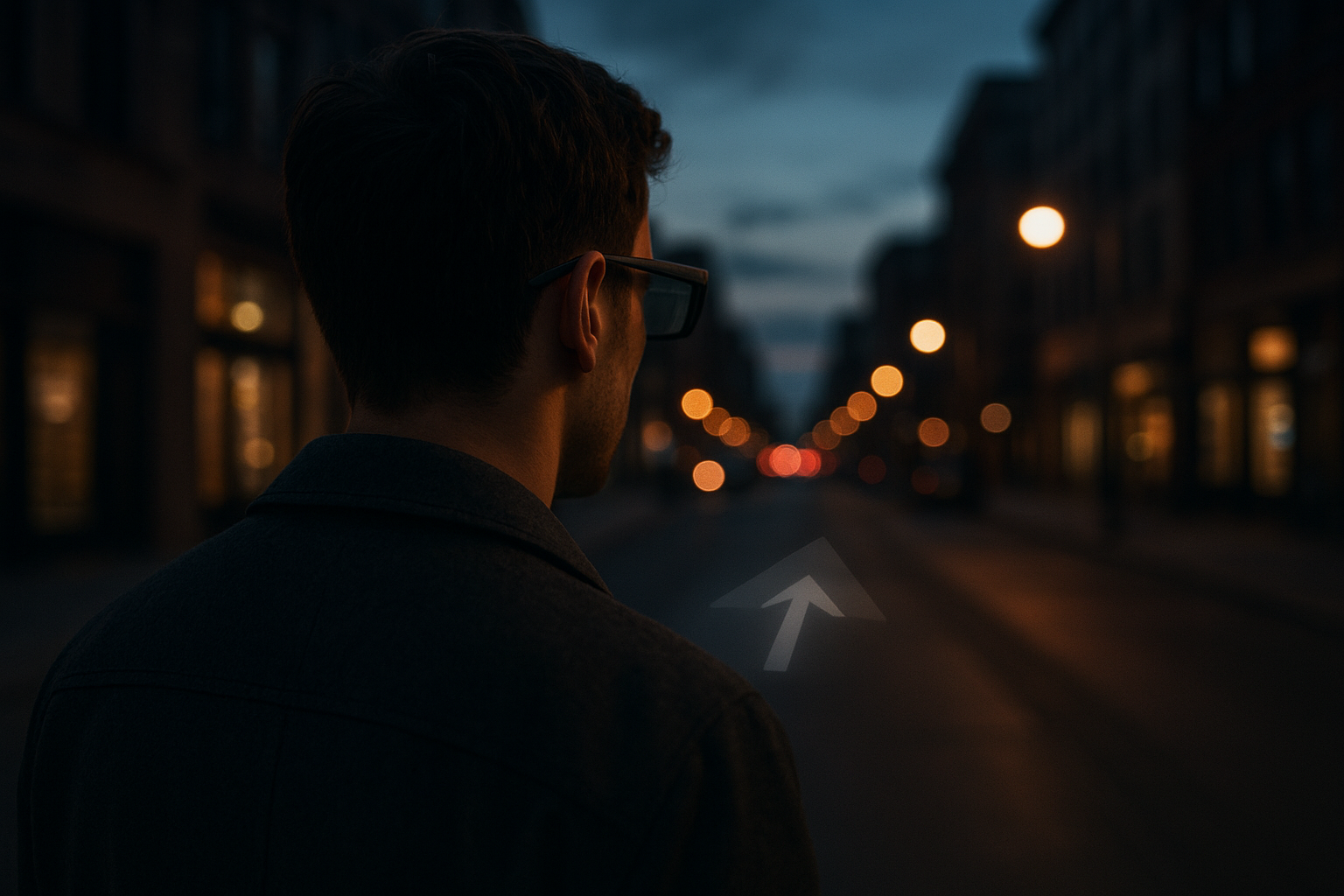
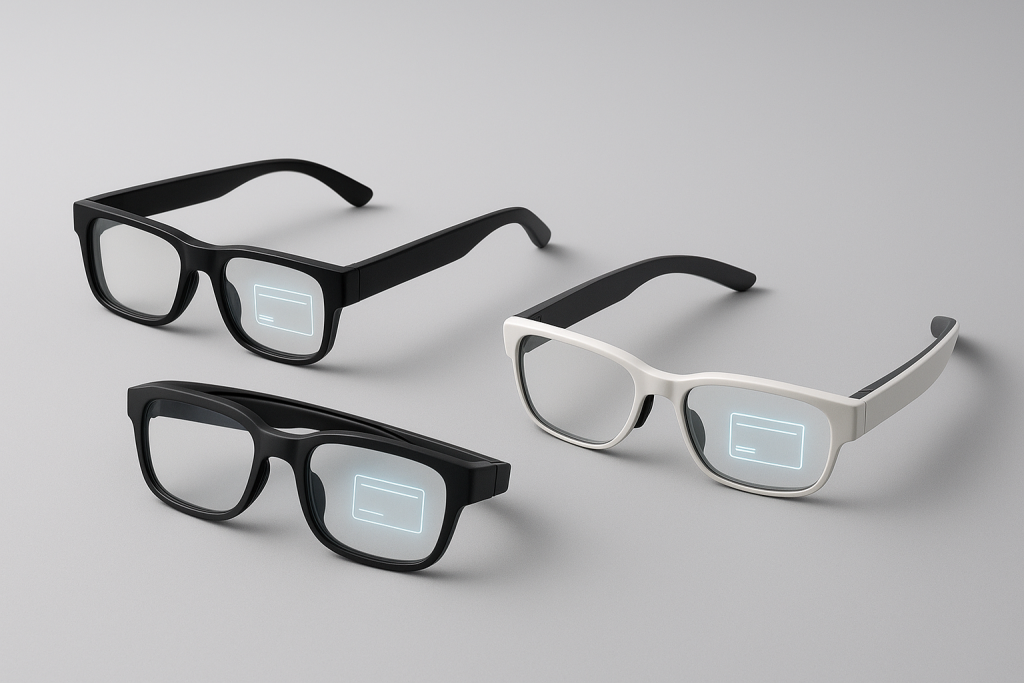
A navigation overlay shown through AR display glasses while walking outdoors.
Top Features to Compare in AI-Powered AR Glasses
Beyond the display itself, several other specs separate strong AI-powered AR glasses from disappointing ones. Therefore, it helps to break the comparison into clear categories rather than judging a pair on looks alone.
- Field of view: wider viewing angles make text and icons easier to read without eye strain.
- Battery life: active-use hours matter more than standby figures printed on packaging.
- Mic array: multiple microphones improve voice commands and call clarity in noisy settings.
- AI assistant support: look for real-time translation, object recognition, or navigation prompts.
- Weight and fit: frames under roughly 70 grams are generally more comfortable for all-day wear.
For a deeper breakdown of which specs genuinely matter before buying, our guide on AI smart glasses in 2026: what actually matters before you buy walks through each category in more depth.
How to Choose the Right AR Display Glasses for You
Choosing AR display glasses becomes much easier once you follow a consistent process instead of comparing specs at random. Above all, start with your intended use case before worrying about brand or styling.
- Define your primary use case, whether that is navigation, translation, hands-free capture, or sport performance tracking.
- Check the display type and field of view so the overlay stays readable in daily use.
- Compare active battery life and frame weight rather than relying on standby figures alone.
- Verify which AI assistant is supported and how well the mic array performs in noise.
- Compare prices across retailers before buying, since listings shift from day to day.
Consequently, buyers who follow this order tend to avoid the most common regret: picking a stylish frame that turns out to be uncomfortable or underpowered for their actual needs.
AR Smart Glasses vs Camera-First AI Frames
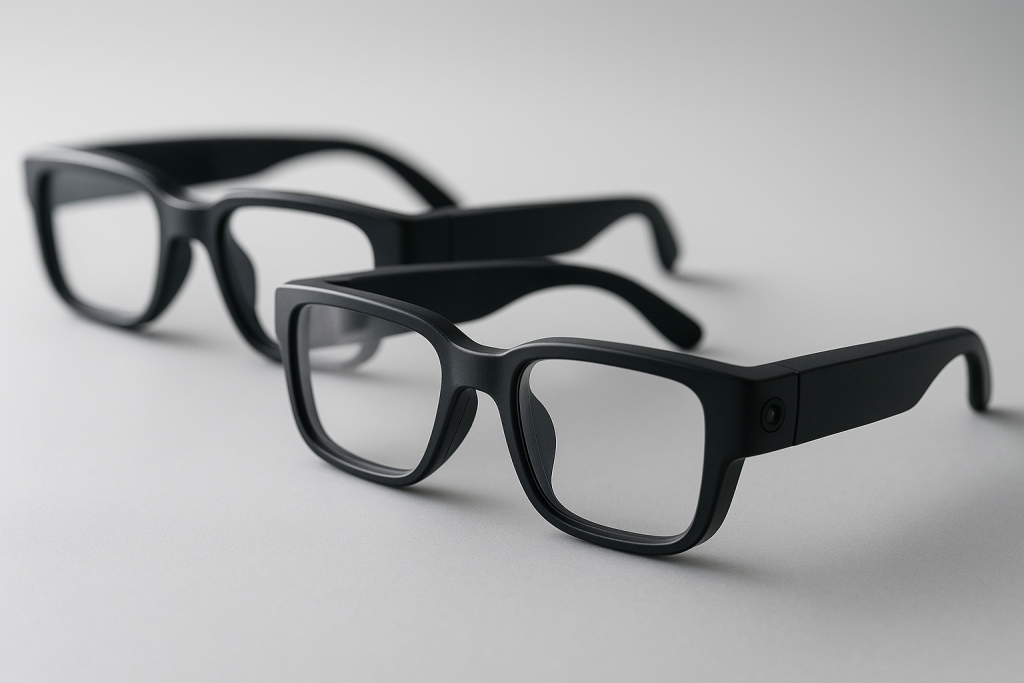
AR smart glasses and camera-first AI frames often get lumped together, yet they serve different shoppers. Specifically, camera-first frames, including popular Ray-Ban/Oakley-style AI eyewear, focus on hands-free photo and video capture plus voice assistants, without any visible display.
In contrast, true AR display glasses add an on-lens screen capable of showing navigation arrows, captions, or notifications. As a result, AR models are usually slightly heavier and more expensive, but they unlock use cases camera-only glasses simply cannot match. You can browse current augmented reality glasses listings directly to see how current pricing compares between the two categories, and the Ray-Ban/Oakley-class AI eyewear frames page shows how the camera-first alternative is positioned by comparison.
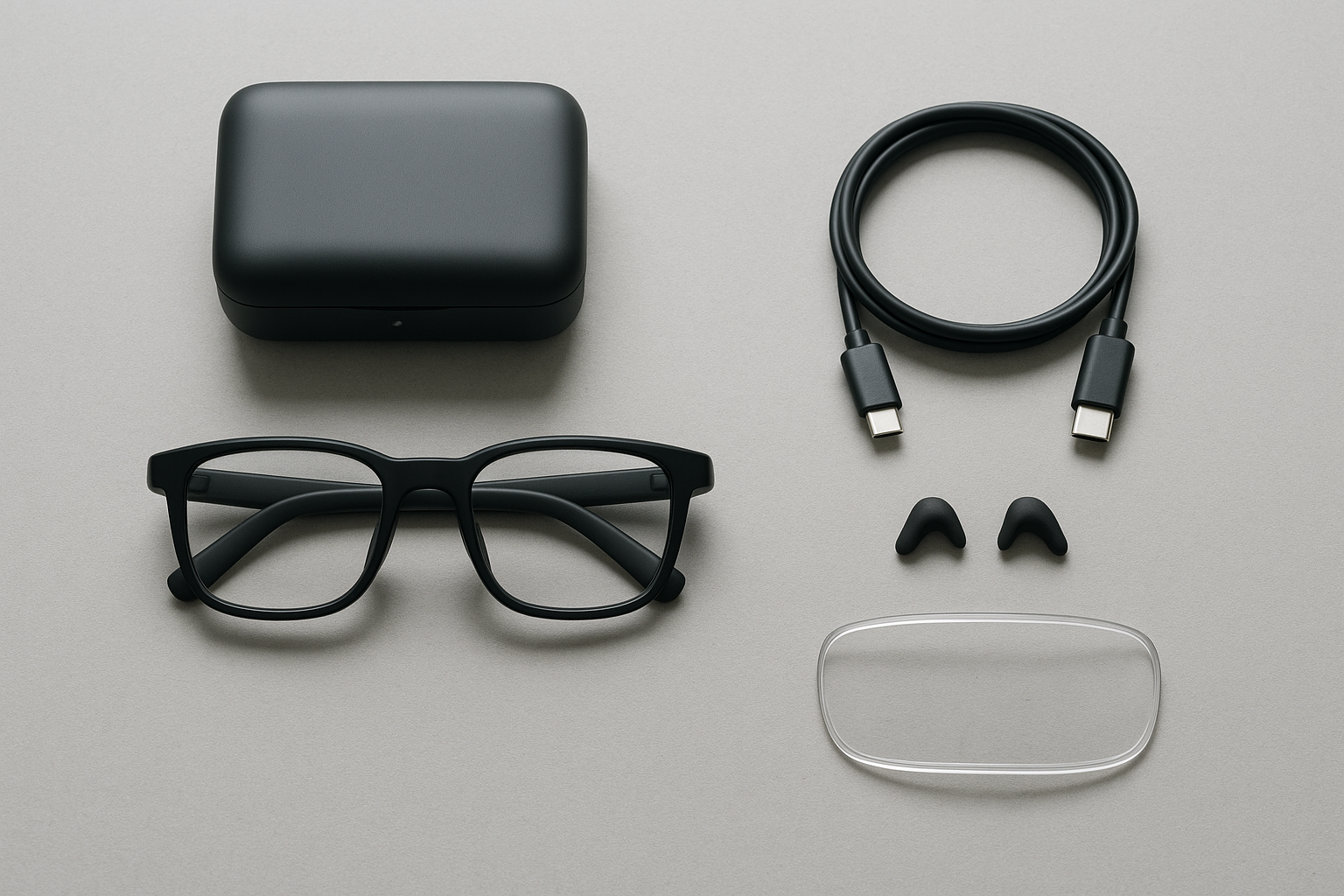
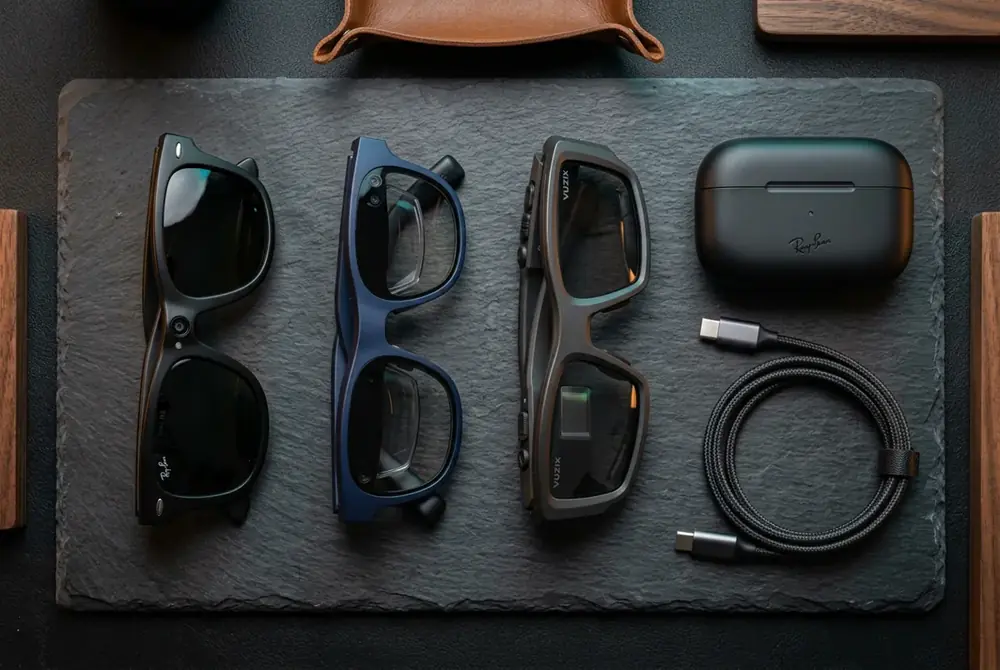
Common accessories that accompany AR and AI smart glasses purchases.
Where to Find the Best AR Smart Glasses Deals
Finding the best AR smart glasses deals generally requires checking more than one retailer, since pricing can vary noticeably between platforms on any given day. For example, a model listed at full price on one marketplace might be discounted elsewhere the same week.
Therefore, comparing live prices across Amazon, eBay, and AliExpress before purchasing tends to be more reliable than relying on a single storefront. You can review daily tracked pricing and spec-first comparisons at aiopticaltechstore.com, which curates AR and AI eyewear listings alongside fit and prescription-insert notes. Furthermore, checking accessory availability, such as charging cases and swap-in lenses, is worth doing before finalizing a purchase, since replacement parts are not always sold separately.
Frequently Asked Questions About the Best AR Smart Glasses
What are the best AR smart glasses in 2026?
The best AR smart glasses in 2026 pair a waveguide or micro-LED display with strong battery life, a lightweight frame, and reliable AI assistant features. The right pick depends on whether you prioritize navigation overlays, hands-free capture, or translation subtitles.
How do AR smart glasses differ from regular smart glasses?
AR smart glasses project a visible digital overlay directly into your field of view using a display. Regular AI smart glasses typically rely on cameras, microphones, and audio without any on-lens visuals.
How much do the best AR smart glasses cost?
Prices generally range from around 250 dollars for entry-level HUD sunglasses to over 700 dollars for full waveguide AR display glasses with advanced AI features. Prices vary daily across Amazon, eBay, and AliExpress, so comparing live listings before buying is worthwhile.
How long does the battery last on AR smart glasses?
Most AR smart glasses run between 2 and 6 hours of active display use on a single charge, though standby time can stretch much longer. Heavier AI processing and brighter displays tend to drain the battery faster.
Can I use AR smart glasses with prescription lenses?
Many AR smart glasses now offer prescription-insert clips or swap-in lens systems, though availability varies by model. It is best to confirm insert compatibility and frame width before purchasing if you need corrective lenses.
What is field of view and why does it matter?
Field of view describes how large the digital overlay appears within your natural line of sight, usually measured in degrees. A wider field of view generally makes navigation arrows, text, and notifications easier to read without moving your eyes.
Are AR smart glasses worth it for everyday use?
AR smart glasses are worth it for users who want hands-free navigation, live captions, or notifications without pulling out a phone. However, casual users who mainly want photos or audio may prefer simpler camera or audio glasses instead.
What’s the difference between AR glasses and camera glasses like Ray-Ban Meta?
Ray-Ban/Oakley-style camera glasses focus on photo and video capture plus voice AI, without a visible display. AR glasses add an on-lens screen, which generally makes them bulkier but far more capable for navigation and visual overlays.
Do AR smart glasses work with iPhone and Android?
Most current AR smart glasses connect to both iPhone and Android through a companion app and Bluetooth. That said, some advanced features, such as deeper AI assistant integration, may work better on one operating system.
What common mistakes do buyers make when choosing AR glasses?
The most common mistake is ignoring weight and face-width fit, which leads to discomfort during extended wear. Another frequent error is overlooking battery life claims that only apply to standby mode rather than active display use.
How heavy are AR smart glasses?
Most AR smart glasses weigh between 40 and 80 grams, compared to roughly 25 to 30 grams for standard sunglasses. Heavier frames can cause nose and ear fatigue, so checking gram weight before buying is a smart step.
What AI assistant features come with AR glasses?
Common AI features include voice commands, real-time translation subtitles, object or text recognition, and navigation prompts shown directly on the display. Mic array quality strongly affects how well these assistants understand speech in noisy environments.
Where can I buy AR smart glasses at the best price?
Shoppers typically find the best AR smart glasses prices by comparing live listings across Amazon, eBay, and AliExpress rather than buying from a single retailer. Prices can shift daily, so checking a tracked comparison page before purchase often saves money.
How long do AR smart glasses take to charge?
Full charges generally take between 45 minutes and 90 minutes depending on the battery size and charging case design. Many models also support quick top-up charging for short breaks between use.
Are AR smart glasses good for sports and outdoor activities?
Sport-focused HUD glasses with live performance data are well suited to running, cycling, and similar outdoor activities. For contact sports, lighter frames with secure fit are preferable to heavier full-display AR models.
Final Thoughts on Choosing AR Smart Glasses
Ultimately, the best AR smart glasses are the ones matched to how you actually plan to use them, not simply the most expensive or most talked-about model. In particular, prioritizing field of view, active battery life, comfort, and AI assistant quality will steer most buyers toward a pair they are happy wearing daily.
Before checking out, it is worth confirming prescription-insert availability and comparing prices across Amazon, eBay, and AliExpress, since identical models are frequently priced differently between retailers. As a result, taking a few extra minutes to compare specs and live pricing, such as through the listings tracked at aiopticaltechstore.com, generally leads to a far better long-term purchase than choosing on looks alone.
Ready to compare frames?
Every listing links straight to Amazon, eBay and AliExpress for live pricing.
Browse the shop