AI Glasses for Low Vision: Top Picks & Buying Guide 2026

AI glasses for low vision are quickly becoming one of the most practical tools in assistive technology, giving people with limited eyesight a hands-free way to read text, recognize objects and faces, and move through unfamiliar spaces with more confidence. Instead of relying only on magnifiers or screen readers, these smart frames use onboard cameras and AI processing to narrate the world out loud. In the sections below, we break down how they work, what to look for, and how to compare models before you buy.

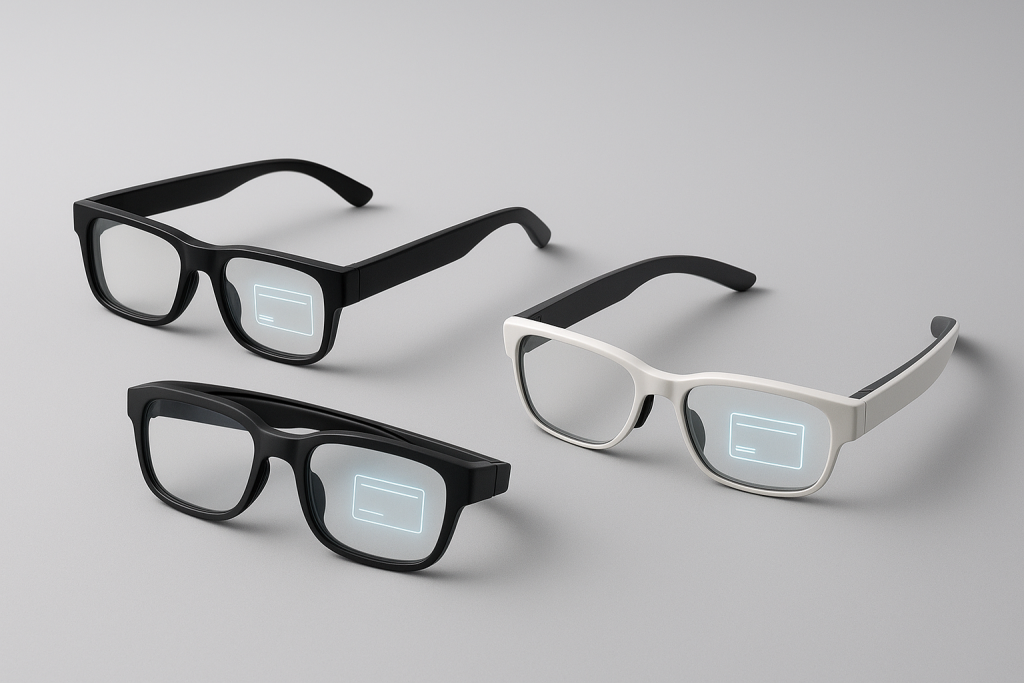
AI glasses for low vision can scan printed text and read it aloud within seconds.
What Are AI Glasses for Low Vision?
AI glasses for low vision are wearable smart eyewear equipped with a camera, microphone array, and onboard AI software. They capture a scene, process it in real time, and speak the result aloud, such as reading a label, naming an object, or describing an obstacle ahead.
Unlike standard prescription glasses, these frames pair hardware sensors with machine learning models trained to recognize text, faces, and common objects. Specifically, many models use optical character recognition (OCR), which converts images of printed text into digital text a device can read aloud. According to the World Health Organization, at least 2.2 billion people globally live with some form of vision impairment, which helps explain why demand for this category has grown so quickly.
How Low Vision Smart Glasses Work Day to Day
In practice, low vision smart glasses combine three core functions: scene capture, AI interpretation, and spoken feedback. First, the camera captures an image or short video clip. Then, the onboard or cloud-based AI analyzes it for text, faces, or objects. Finally, the result is delivered through a speaker, bone-conduction audio, or a paired hearing device.
As a result, a user can point their head toward a street sign, a grocery label, or a piece of mail and hear a spoken description within a second or two. Similarly, some models can describe an entire room layout, which is especially useful in unfamiliar environments like hotels or waiting rooms.
Core Features That Matter Most
- Accurate OCR text-to-speech for reading menus, labels, and documents
- Wide field-of-view camera for reliable object and obstacle detection
- Clear microphone array for voice commands in noisy environments
- All-day or swappable battery life for continuous use
- Prescription-insert compatibility for users who also need corrective lenses
AI Glasses for Low Vision vs Traditional Low-Vision Aids
Traditional aids such as handheld magnifiers or desktop CCTV readers remain useful, but they generally require the user to already see enough to position the device correctly. In contrast, AI glasses for low vision interpret the scene on behalf of the user and describe it audibly, which helps even when residual vision is very limited. The U.S. National Eye Institute notes that low vision, a visual impairment that cannot be fully corrected with glasses, contacts, or surgery, affects millions of Americans, many of whom benefit from a layered approach combining optical aids with AI-based tools.
| Feature | Traditional Magnifier | AI Glasses for Low Vision |
|---|---|---|
| Hands-free use | No | Yes |
| Reads text aloud | No | Yes |
| Describes surroundings | No | Yes |
| Portability | Moderate | High |

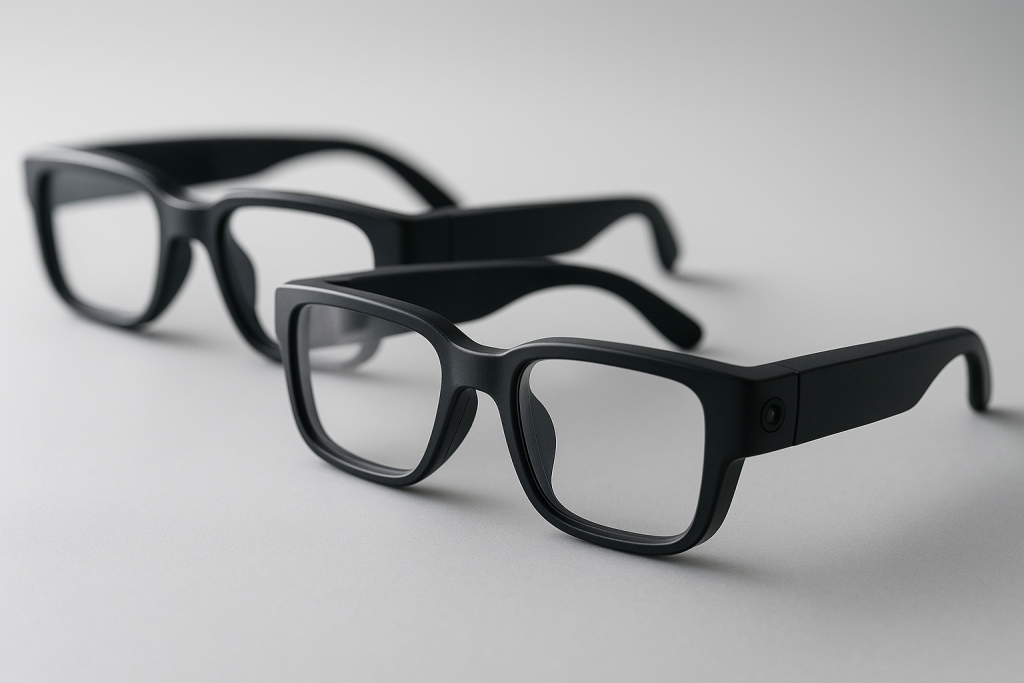
Assistive AI eyewear can describe curbs, crossings, and obstacles while walking.
How to Choose the Right AI Glasses for Low Vision
Choosing the right pair takes more than picking the most expensive option. Instead, follow a structured process so the glasses actually match your daily needs.
- Assess your vision needs. Identify whether your main challenge is reading small text, recognizing faces, navigating unfamiliar spaces, or a combination, since this determines which AI features matter most for your daily routine.
- Compare core hardware specs. Review camera resolution, microphone array quality, battery life, and processor speed across models, because weak hardware limits how quickly and accurately the AI can describe surroundings or read text.
- Check prescription and fit options. Confirm whether the frame accepts prescription inserts or clip-in lenses and review face-width and gram-weight notes, since a poor fit can cause discomfort during extended daily wear.
- Read verified buyer feedback. Look for reviews that specifically mention OCR accuracy, voice clarity, and real-world battery performance rather than marketing claims alone, since these details reveal day-to-day reliability.
- Compare live prices before buying. Check current pricing across multiple retailers such as Amazon, eBay, and AliExpress, since prices on assistive AI glasses fluctuate often and comparing them can save a meaningful amount of money.
Fit, Comfort, and Prescription Considerations
Above all, comfort determines whether someone actually wears assistive eyewear daily or leaves it in a drawer. Therefore, pay close attention to gram weight, nose-pad adjustability, and face-width compatibility before purchasing. For readers who also need corrective lenses, our 2026 AI smart glasses buying guide covers fit and prescription-insert details in more depth.
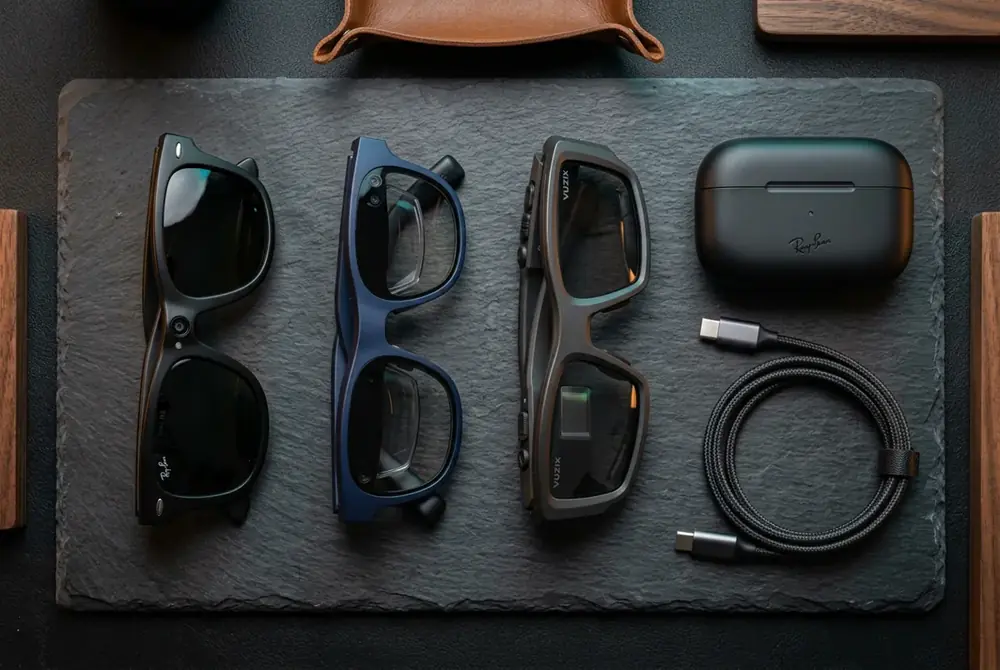
In addition, if you are deciding between a discreet, designer-style frame and a display-forward option, the comparison of Ray-Ban-style AI glasses versus AR display glasses explains how form factor affects everyday comfort and battery life.
Where to Compare AI Glasses for Low Vision Online
Because prices and specs change frequently, it helps to use a dedicated resource rather than checking retailers one by one. For example, AI Optical Tech Store tracks live pricing and specs across Amazon, eBay, and AliExpress, which makes side-by-side comparison much faster. The site’s assistive AI vision glasses listings focus specifically on read-recognize-navigate features for low vision users.
Furthermore, the broader everyday AI eyewear category is worth browsing if you also want hands-free camera capture or voice assistant support alongside vision assistance. As always, confirm current pricing directly at aiopticaltechstore.com before completing a purchase, since third-party retailer prices shift often.
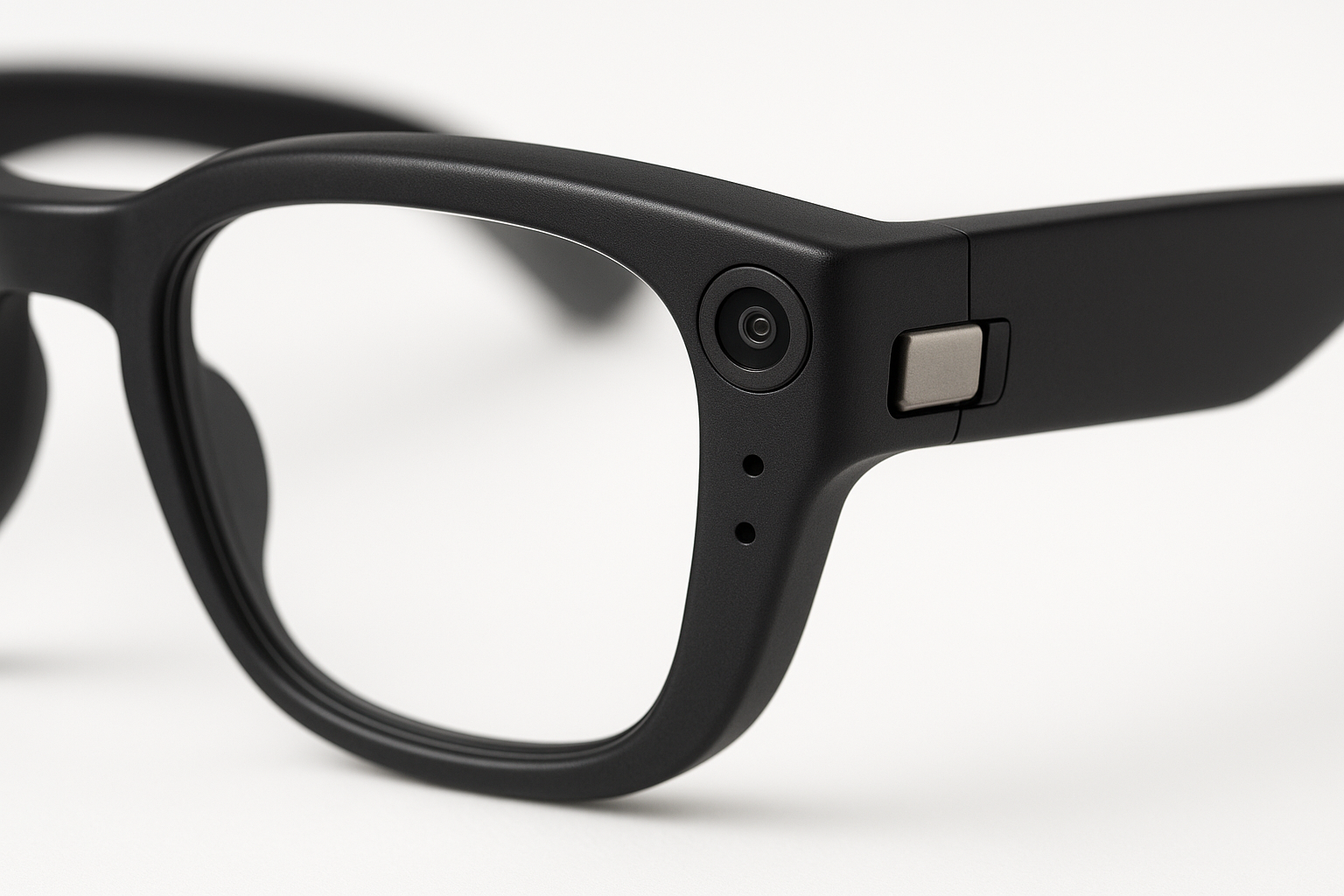
Camera placement and microphone quality directly affect how well assistive glasses perform outdoors.
Common Mistakes When Buying Assistive AI Eyewear
Many first-time buyers focus only on price and overlook battery life, which often matters more for daily reliability. Similarly, some shoppers skip checking whether prescription inserts are available, then discover the frame cannot accommodate their existing prescription. Consequently, it is worth reading full spec sheets rather than relying on marketing images alone.
Another frequent mistake is assuming all AI glasses for low vision include the same feature set. In reality, some models focus heavily on text reading while others emphasize navigation or facial recognition, so matching features to your specific needs matters more than chasing the newest release.
Frequently Asked Questions About AI Glasses for Low Vision
What are AI glasses for low vision?
AI glasses for low vision are wearable smart eyewear with built-in cameras, microphones, and AI software that reads text aloud, identifies objects and faces, and describes surroundings to help people with reduced eyesight function more independently.
How do AI glasses help someone with low vision?
They capture what the camera sees, process it with onboard or cloud-based AI, and speak the result through built-in speakers or bone-conduction audio. This lets a user hear menu text, product labels, street signs, or a description of a room in seconds.
Are AI glasses for low vision different from traditional magnifiers?
Yes. Traditional magnifiers only enlarge what the eye can already partially see, while AI glasses for low vision interpret the scene and narrate it audibly, which helps even when magnification alone is not enough.
How much do AI glasses for low vision cost?
Prices typically range from under $200 for basic audio-description frames to over $1,000 for advanced models with cameras, AI assistants, and all-day battery life. Prices change frequently across retailers, so live comparison is recommended.
Can AI glasses for low vision read text aloud?
Most models use optical character recognition, a technology that converts images of printed text into digital text, paired with text-to-speech to read menus, mail, labels, and signage aloud in real time.
Do AI glasses for low vision work with prescription lenses?
Many frames support prescription inserts or clip-in lenses, though availability varies by brand and model. It is worth checking fit notes and insert compatibility before buying.
How long does the battery last on assistive AI glasses?
Battery life generally ranges from 4 to 12 hours of mixed use, depending on how often the camera and AI assistant are active. Heavy continuous narration drains the battery faster than occasional use.
Is there a learning curve with AI glasses for low vision?
There is a short adjustment period, usually a few days, while users learn voice commands and gesture controls. Most manufacturers include guided setup and practice modes to shorten this process.
Are AI glasses for low vision covered by insurance?
Coverage varies widely by country, insurer, and diagnosis, and many consumer-grade AI glasses are not classified as medical devices, so they are often purchased out of pocket. It is best to confirm directly with your insurance provider.
What should I look for when buying AI glasses for low vision?
Prioritize clear audio output, reliable OCR accuracy, comfortable weight, battery life, and prescription-insert compatibility. Checking real buyer reviews and spec comparisons helps avoid costly mismatches.
Can AI glasses for low vision recognize faces?
Many assistive models include facial recognition or facial description features that announce when a known contact is nearby, which helps users navigate social situations more confidently.
Are AI glasses for low vision safe to wear while walking outside?
Yes, most are designed for everyday outdoor use and can describe obstacles, curbs, and crossings. However, they should supplement, not replace, mobility aids like a cane or guide dog for safety.
Final Thoughts
Ultimately, AI glasses for low vision represent a meaningful step forward for anyone who needs more independence in reading, navigating, and recognizing the world around them. While they are not a replacement for professional eye care, they offer a practical, hands-free layer of support that traditional aids often cannot match. Before buying, take time to compare specs, confirm prescription compatibility, and check live prices so the pair you choose actually fits your daily life. For further reading on vision impairment statistics, the World Health Organization and the National Eye Institute both offer detailed background, while Wikipedia’s overview of low vision provides helpful general context.
Ready to compare frames?
Every listing links straight to Amazon, eBay and AliExpress for live pricing.
Browse the shop